Part 2: Community-building tips for meeting organizers and participants
By Kristin Bass, PhD, Director of Research Development
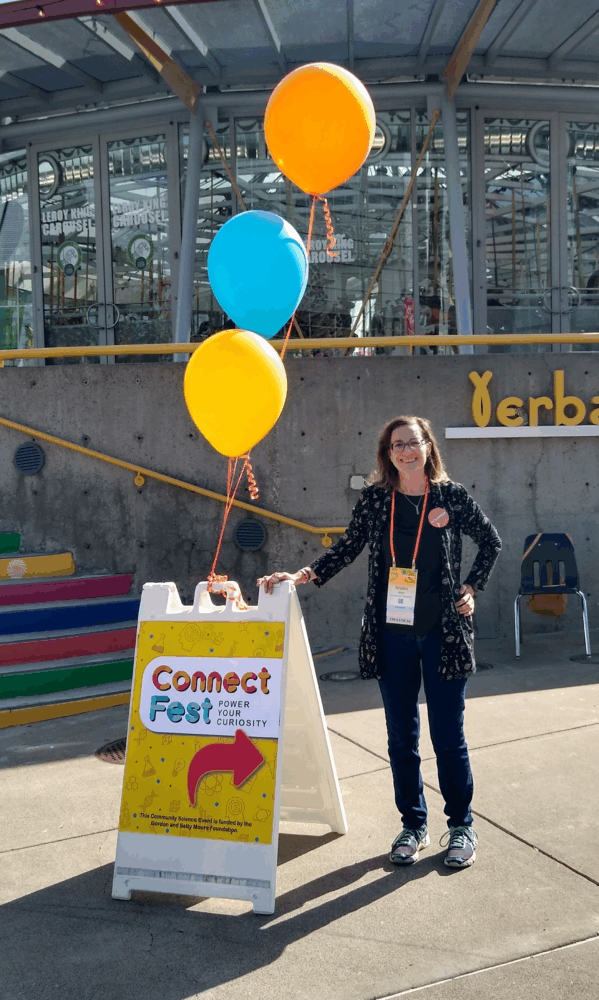
Two of my professional highlights this fall were attending the Association of Science and Technology Centers (ASTC) annual conference in San Francisco, and the National Institutes of Health’s (NIH) SciEd meeting for PreK-12 science education projects, held virtually. I volunteered at ASTC, and was a Conference Co-Chair for SciEd. I came away from these meetings inspired, energized, and grateful to have met so many wonderful STEM outreach professionals and evaluators.
In my first blog post, I shared a couple of trends in formal and informal STEM education. In this post, I highlight two ways that professional meeting organizers and participants can make the most of their conference experience.
1. Community-building at in-person and virtual conferences can take many forms. Incorporate and seek out variety.
The ASTC program included structured concurrent breakout sessions, as well as informal roundtable discussions that encouraged drop-ins. Participants could attend evening receptions at local museums and meet up at exhibit hall coffee breaks. There was even a free public festival featuring ten science and technology centers and a bald eagle named Sequoia.
I also appreciated the tables and seating areas set up in the conference center away from the crowds where people could take a quiet moment to rest and regroup. It was a welcome counterpoint to the buzz of conference activity.
SciEd plenary speakers and breakout session presenters used polls, breakout rooms, and Zoom chat to encourage discussion. Presenters often shared links to slides and other resources in chat so participants could follow along. Question and answer sessions were lively, often leading to a promise to continue the conversation later.
Recommendations
For conference organizers:
- Try to incorporate interactivity in large and small group settings.
- Include a Conference Code of Conduct that encourages microvalidations and brings awareness of microaggressions.
- Provide quiet spaces for participants to recharge.
- Please contact us if you’re seeking additional consulting on how to design and evaluate interactive and inclusive conference experiences.
For conference participants:
- Plan your schedule, but be open to spontaneity. Conversations after sessions can be just as meaningful as the sessions themselves.
- Small acts of kindness can go a long way. Sharing a schedule with a stranger, making room at a table, or directly messaging someone on chat can make people feel welcome.
Follow up after with people you’ve met. Even short post-conference greetings have an impact.
2. Volunteers help bring conferences to life.
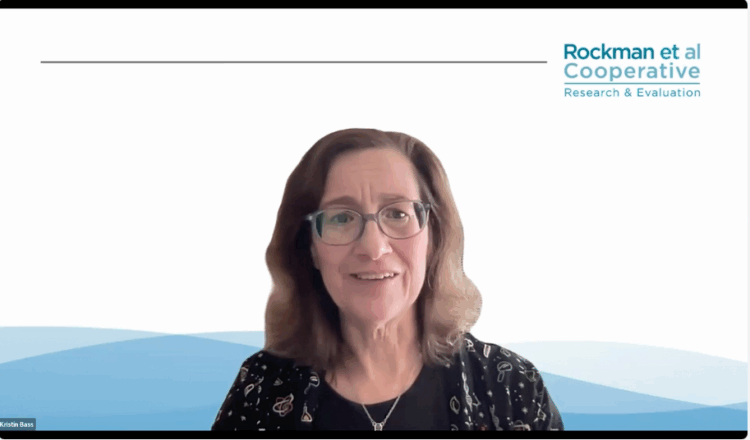
Led by the amazing conference organizers and staff, ASTC volunteers helped with session support, general information, registration, exhibit hall monitoring, and other tasks. At ConnectFest, ASTC’s free public science festival, I helped with event set-up and directions. I also got to try my hand at many fun science activities! In their varied and important roles, volunteers served as festival ambassadors, ensuring that everything ran smoothly and that attendees felt welcomed.
At SciEd, we relied on our volunteer Organizing Committee (including fellow REA staffer Alison Allen) to review and select proposals for breakout and short talk sessions, and to facilitate those sessions. This helped ensure that the meeting was relevant and interesting to SciEd participants – it was co-designed for and by the SciEd community.
Recommendations
For conference organizers:
- Think about ways you can use volunteers meaningfully in your meeting. Consider involving them at all stages from planning to enactment to follow up. Solicit their feedback on the conference and their volunteer experience after your meeting.
- Offering volunteers free or discounted conference registration can help make meetings more financially accessible. Smaller incentives like snacks, water, or a dedicated volunteer lounge are also appreciated.
- Provide a volunteer handbook or structured guidelines for each role. As an organizer, this will help you think through exactly what volunteers will need to do and the challenges they might encounter. As a volunteer, it’s helpful to a list of instructions to make sure you don’t forget anything.
- Please contact us if you’re seeking additional consulting on volunteer engagement.
For conference participants:
- Consider volunteering at meetings, even for just an hour or two. There are many ways to serve, and many jobs to fit the skills you’d like to use and the time you have available to use them. You’ll certainly earn conference organizers’ appreciation and are bound to make a difference in building a professional community. You’ll likely expand your own professional networks along the way.
If you’re looking for a design consultant or evaluation partner for your conferences or professional meetings, we encourage you to contact us. We offer a free 30 minute consultation and would look forward to hearing from you.