Selected Projects Include
-
 Photo courtesy of Maryland GovPics via CC licensing.
 -
CancerCare’s Ocular Cancer Patient Support Program
CancerCare® is the leading national organization providing free, professional support services and information to help people manage the emotional, practical and financial challenges of cancer. REA conducted an evaluation of the program’s financial, medical, and psycho-social outcomes for patients in the Tri-state New York area with ocular cancer and other vision-affecting cancers. The patients studied included current program participants and those who participated in the program over the past 2-3 years.
-
Red Hill Studios Wii game
REA conducted a usability study of a Wii-based video game designed to improve gait and balance in patients with Parkinson’s Disease (PD). Red Hill Studios, developers of the game’s hardware and software elements, in collaboration with researchers at the University of California, San Francisco (UCSF), received funding from the National Institute of Health’s (NIH) Small Business Innovation and Research (SBIR) program to conduct a Phase 1 feasibility study.
-
 Photo courtesy of Dean Hochman via CC licensing.
 -
 Photo courtesy of fabola via CC licensing.
 -
 Photo courtesy of Nic McPhee via CC licensing.
 -
 Photo courtesy of Wars via CC licensing.
 -
 Photo: Courtesy of Keith Ellison via CC licensing.
 -
 Image courtesy of Center for the Future of Teaching & Learning at WestEd
 -
 Photo courtesy of Tim Farrell, New Visions.
 -
Tech Know Build
The TechKnowBuild project was a partnership between the Crawfordsville Community Schools and Indianapolis Public Schools that provided “one to one” laptop computers and wireless Internet access to 2,500 middle school students and approximately 100 teachers, combining ubiquitous computing and problem-based learning. As the external evaluator, REA assessed impacts on teachers and students through suveys and secondary data analyses. During the final year, student achievement was measured by standardized test scores and writing prompts. Almost all teachers incorporated internet research and exploration, one of the most popular and regular use of laptops, and generally found problem-based learning to be an effective way to meet their academic content standards. REA found that problem-based learning activities increased students’ engagement in school, and gave students a sense of ownership for the topics they researched and a deeper awareness of community issues and their roles as citizens.
-
Photo courtesy of Tim Farrell, New Visions.
-
 Photo courtesy of spacedust2019 via CC licensing.
 -
PBS Kids iPod App Study
Rockman et al was commissioned by PBS Kids to assess learning outcomes and usage patterns among 3-7 year-olds exposed to two iPod Apps. Ninety iPod Touch devices were given to children from two Title I Schools in Washington D.C. and Bloomington, Indiana. The children were asked to use two apps: Super Why and Martha Speaks: Dog Party for a two-week period during the spring of 2010. Parents were asked to submit daily observation forms and complete short pre- and post-study surveys. Children were given pre- and post-study tests to assess their reading skills and specific content areas covered in the apps. Findings from this study were featured as part of the report by the Joan Ganz Cooney Center at Sesame Workshop’s report entitled: “Learning: Is there an app for that?”
-
 Photo courtesy of CERDEC Math and Science Summer Camp via CC licensing.
 -
-
 Photo courtesy of AfroTech.
 -
 Photo: Wikimedia Commons
 -
 Photo courtesy of mysapl via CC licensing.
 -
 Photo: Dr. Peter Chang.
 -
 Photo courtesy of Juan Cristóbal Cobo via CC licensing.
 -
 Photo: Jennifer Borland
 -
Microsoft Anytime Anywhere Learning
Rockman et al conducted a three-year study of the introduction of “one to one” laptop computing in U.S. public and independent schools (1996-1999), reporting on types of implementation, classroom and home laptop use, and changes in pedagogy and teacher and student attitudes. The study was funded by Microsoft and Toshiba.
-
 Photo courtesy of Mark Richards via CC licensing.
 -
 Photo courtesy of US ED via CC licensing.
 -
 Photo by National Cancer Institute on Unsplash
 -
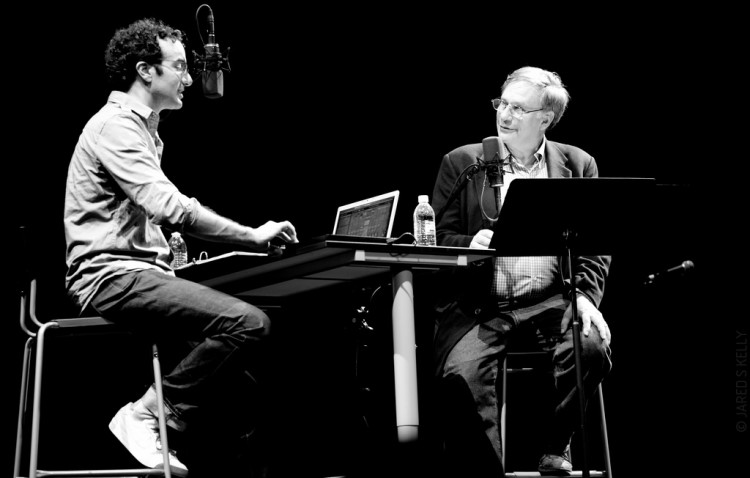
 Photograph courtesy of Jared Kelly via creative commons licensing.
 -
 Photo courtesy of KQED QUEST via CC licensing.
 -
 Photo courtesy of Ryan Somma via CC licensing.
 -
 Photo courtesy of Enokson via CC licensing.
 -
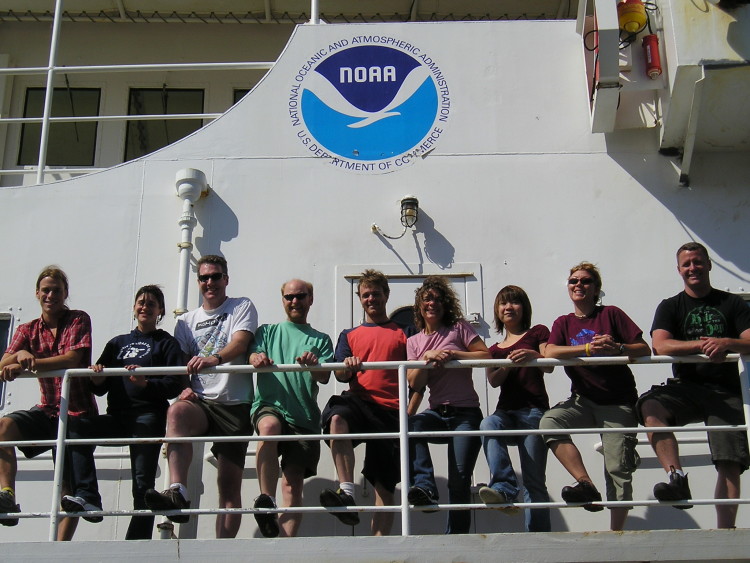
 Photo courtesy of NOAA Photo Library via CC licensing.
 -
 Photo courtesy of Hudson Alpha.
 -
 Photo courtesy of MusikAnimal via CC licensing.
 -
DragonflyTV’s Informal Science Education Project
Rockman et al developed an impact study for the educational television program: DragonflyTV, a science program for and about 9-12 year old children produced by Twin Cities Public Television. A controlled classroom viewing protocol was established for schools in Chicago and San Francisco. Students were surveyed following each of three episodes selected for the study. Pre and post- interviews with students introduced a hypothetical scenario in which they were asked to design an experimental study. An additional in-class viewing study was also implemented with educators in a variety of locations across the United States.
-
 Photo: Science Museum of Minnesota
 -
UCMP’s Understanding Evolution Website
REA conducted a multi-component evaluation of University of California Museum of Paleontology’s (UCMP) Understanding Evolution website, which aims to teach the science and history of evolutionary biology. The website includes evaluated lessons appropriate for different grade spans and strategies to avoid or overcome roadblocks related to teaching evolution. REA has evaluated and informed the development of multiple aspects of the website, ranging from its appeal and utility, to its ability to help users understand new concepts and acquire strategies for, and confidence in teaching evolution. REA also conducted evaluations of the interactive student module “The Arthropod Story,” the comic strip “Survival of the Sneakiest,” and the “Tree Room” tool.
-
 Photo: BAVC News
 -
Euteleost Tree of Life
The Euteleost Tree of Life (EToL) is an interactive Web module created through a collaborative National Science Foundation research project between eight institutions, including Kansas University and the University of California Museum of Paleontology. The module is designed to for support users’ exploration of the evolutionary history of fish. Rockman et al conducted an independent summative evaluation of the EToL Web module that was designed to gather users’ feedback about the website, and assess impacts on users’ knowledge and attitudes about fish and fish evolution. REA recruited two groups of high school students to perform a series of tasks on the website and then provide feedback during a focus group discussion. Findings indicated that students were able to expand upon previous knowledge about evolution and natural selection by learning about how fish evolved and by gaining familiarity with traits common to specific fish lineages.
-
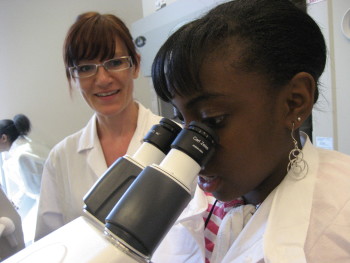 Photo courtesy of NWABR via CC licensing.
 -
 Photo courtesy of joaquin uy via CC licensing.
 -
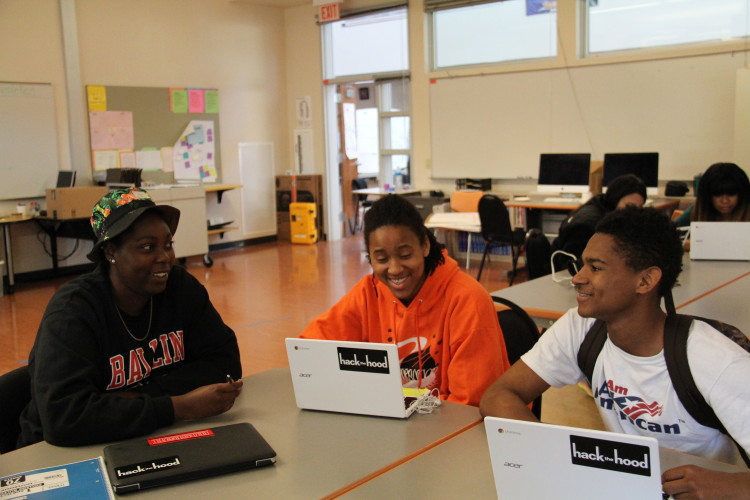
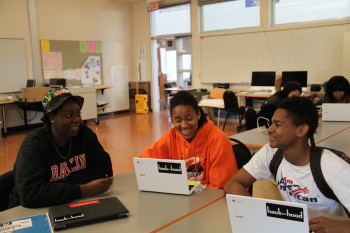 Photo: Hack the Hood
 -
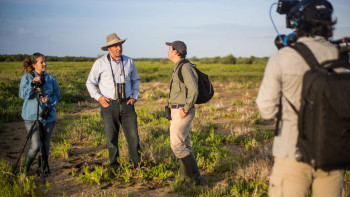 Photo courtesy of crowdandcloud.org
 -
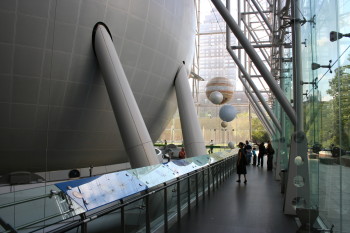 Photo courtesy of Daniel Torres Bonatto via CC licensing.
 -
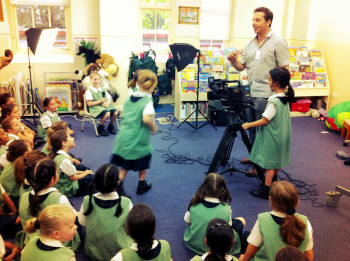 Photo courtesy of Chris Betcher via CC licensing.
 -
 Kaoru Watanabe © Akiko Nishimura
 -
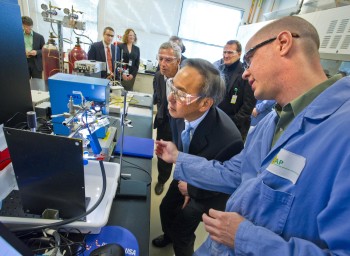 Photo courtesy of ENERGY.GOV via CC licensing.
 -
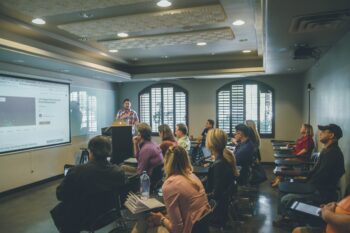 Photo by Kenny Eliason on Unsplash
 -
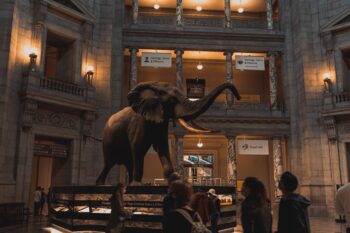 Photo by J. Amill Santiago on Unsplash
 -
 Photo courtesy of PBS KIDS.
 -
Game-Enhanced Interactive Physical Science (GIPS)
Through funding from the NSF’s SBIR program, Filament Games developed a suite of online educational games and curricular activities for middle school classrooms that target core scientific concepts, such as engineering, plant genetics, and planetary characteristics. Rockman et al evaluated the “promise of efficacy” from each game via pre-post surveys, classroom observations, and embedded assessments, comparing content learning and engagement between students who played the game and engaged with the curricular activities, only played the game, or received traditional instruction. Differences in outcomes based on students’ interest in and aptitude for reading were also explored to ensure that the games were inclusive of a range of student abilities.
-
 Photo courtesy of NASA's Earth Observatory via CC licensing.
 -
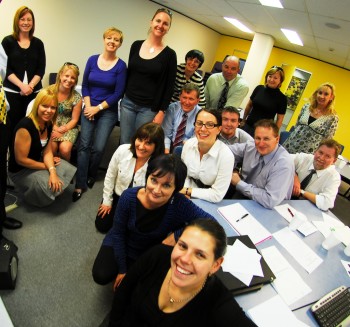 Photo courtesy of marco antonio torres via CC licensing.
 -
 Photo courtesy of Ilmicrofono Oggiono via CC Licensing.